

 Post by
 Osteoarthritis, the most common joint disease in the world, affects millions worldwide—bringing daily pain, stiffness, and loss of mobility.
While pills, gels, injections, and surgery can offer short-term relief, many people overlook one of the most powerful, accessible, and affordable tools for managing joint pain: your plate.
What you eat can either fuel the flames of inflammation or help put out the fire.
This post dives into the science-backed mechanisms showing how certain foods worsen joint inflammation—while others can soothe, repair, and even slow joint damage.

What Causes Osteoarthritis?
Osteoarthritis develops when the lining of our joints (cartilage) breaks down faster than the body can rebuild it.
Common risk factors include:
- Obesity
- Both extremes of inactivity and excessive activity
- Athletic injuries
- Diet
So how exactly does food play a role?
How Does Diet Affect Joint Pain?
Animal products are rich in arachidonic acid, which produces inflammatory chemicals that trigger swelling, stiffness, and pain. In addition, diet influences gut health, immune response, weight, and toxic load—all of which directly affect joint health.
Below are the 7 key mechanisms linking food choices to joint inflammation and osteoarthritis.
Mechanism #1: Pro-Inflammatory Fats (Arachidonic Acid Overload)
Animal foods like red meat, eggs, and dairy are high in a fat called arachidonic acid. When the body breaks it down, it creates inflammatory chemicals such as prostaglandins and leukotrienes.
These chemicals directly fuel:
- Joint swelling
- Stiffness
- Pain
Plant-based foods are naturally low in arachidonic acid and provide fats that are neutral or anti-inflammatory. Switching to plants helps cut off the fuel supply for damaging joint inflammation.
Mechanism #2: Gut Barrier Damage (“Leaky Gut” Trigger)
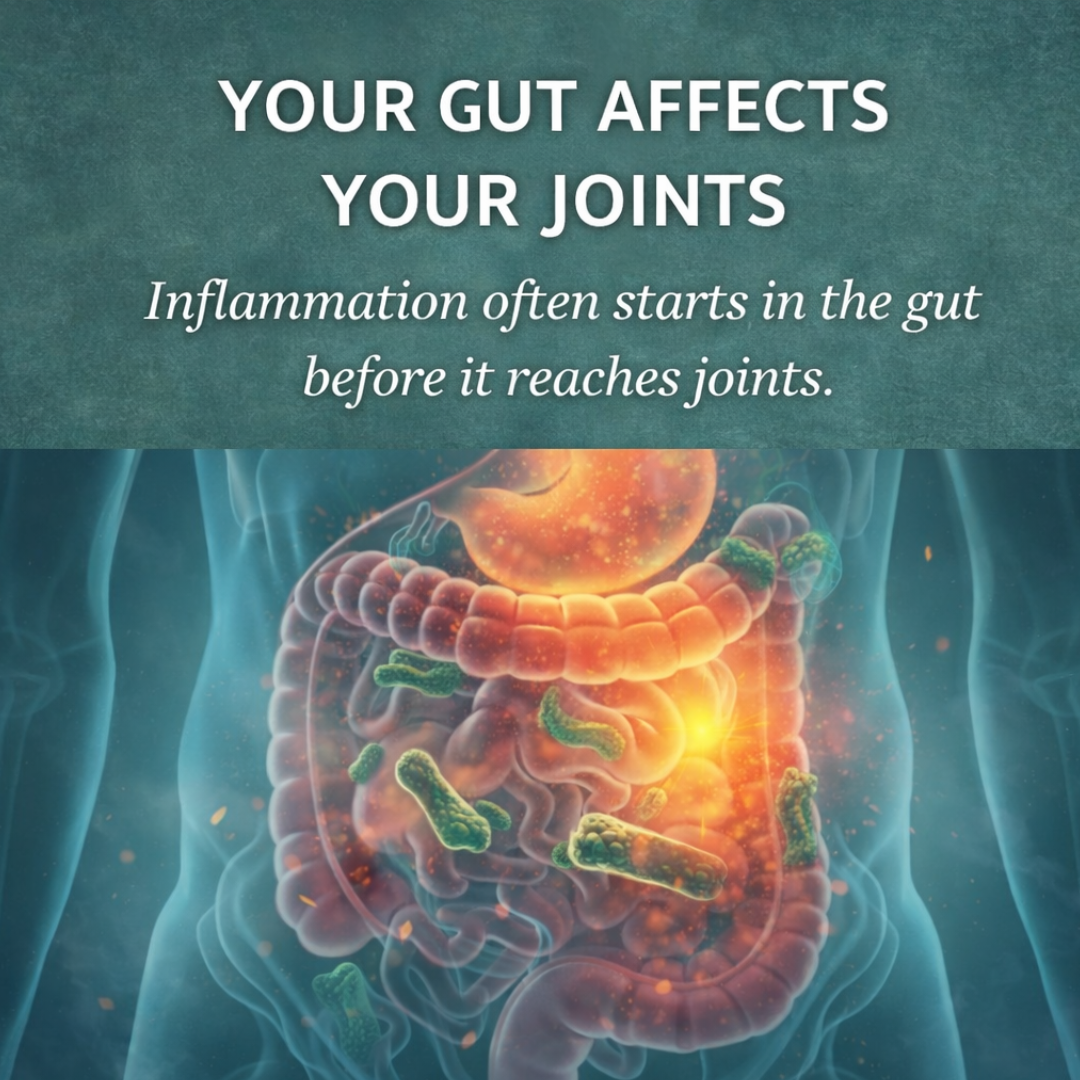
A damaged gut lining allows bacteria and toxins to trigger immune responses—often attacking joints.
Animal products and processed foods can damage the gut lining by promoting inflammatory molecules and unhealthy gut bacteria. This makes the gut “leaky,” allowing toxins to enter the bloodstream.
The immune system then attacks these invaders—and sometimes mistakenly attacks our own joints.
Plant-based diets rich in fiber:
- Strengthen the gut lining
- Nourish protective bacteria
Getting at least the recommended 25 g of fiber per day is associated with a significantly lower risk of symptomatic osteoarthritis.
Mechanism #3: Bad Gut Bacteria Take Over (“Microbiome Mayhem”)
Animal-rich, high-fat, low-fiber diets disrupt the gut microbiome by:
- Reducing beneficial bacteria
- Feeding pro-inflammatory strains
This imbalance floods the body with inflammatory toxins that damage joints.
Fiber from plant foods feeds good bacteria, allowing them to produce anti-inflammatory and healing compounds.
Think of your gut like a garden:
Plants grow flowers.
Animal foods grow weeds.
Mechanism #4: Advanced Glycation End Products (AGEs)
High-heat cooked animal foods produce AGEs, which stiffen tissues and worsen inflammation.
Animal foods cooked at high temperatures (grilling, frying, charring) are loaded with AGEs. These compounds:
- Increase oxidative stress
- Trigger inflammation
- Stiffen joint tissues
Plant foods are naturally low in AGEs and rich in antioxidants that block their formation. Choosing more fresh, minimally cooked plant foods dramatically reduces toxic load.
Mechanism #5: Endotoxin (LPS) Burden from Animal Foods
Even cooked meat contains endotoxins, bacterial toxins that enter the bloodstream and activate immune-driven inflammation.
This systemic inflammation can reach the joints and worsen pain.
Plant-based diets, rich in fiber:
- Bind endotoxins
- Prevent them from leaking into circulation
Fiber acts like a natural sponge, protecting your system.
Mechanism #6: Persistent Organic Pollutants (POPs) Stored in Animal Fat
Animal products concentrate environmental pollutants such as dioxins and PCBs, which interfere with immune regulation.
Exposure to these toxins increases the risk of:
- Autoimmune joint disease
- Chronic inflammation
Plant foods contain very low levels of these pollutants, helping protect immune balance and joint health.
Mechanism #7: Obesity and the Adipokine Storm
Excess body weight increases joint stress and releases inflammatory hormones called adipokines (including TNF-alpha), which worsen arthritis and cartilage damage.
Research shows:
- Knee osteoarthritis incidence is 3× higher in individuals with BMI >30
- 5× higher in those with BMI >35
Losing just 1 pound per year over 10 years can reduce the odds of developing osteoarthritis by more than 50%.
MRI studies also show that a 5% weight loss in overweight individuals can significantly slow cartilage degeneration.
7 Foods That Support Joint Health (And Why They Work)
While understanding why joints become inflamed is important, you also want to know what to actually eat.
These foods support joint health by reducing inflammation, protecting cartilage, and improving gut function.
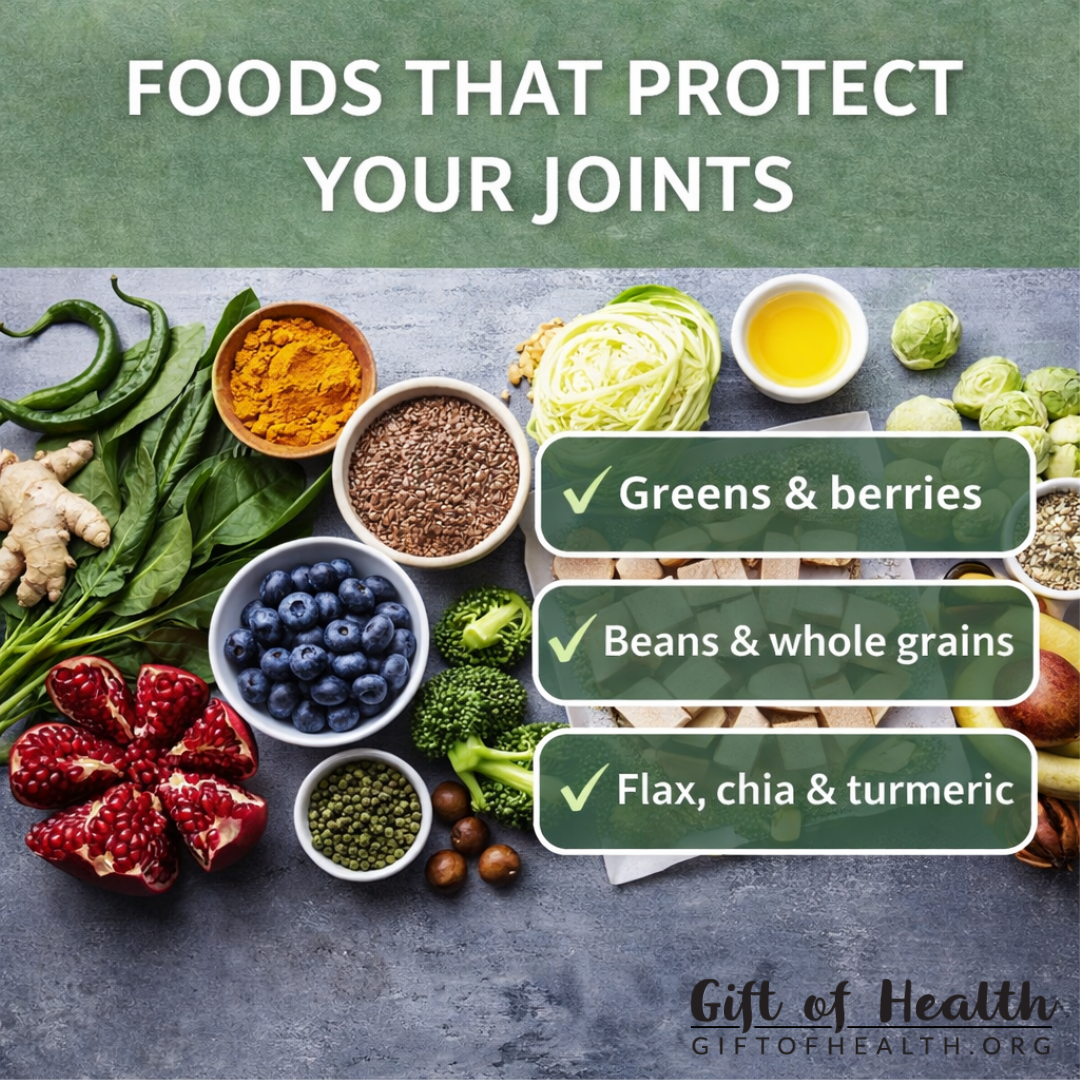
1️⃣ Berries (Blueberries, Strawberries, Tart Cherries)
Rich in anthocyanins and antioxidants, berries help neutralize free radicals that damage joint tissue and cartilage. Tart cherries, in particular, have been shown to reduce inflammatory markers and relieve arthritis and gout-related pain.
Primary mechanisms:
🔗 Mechanism #4: Advanced Glycation End Products (AGEs)
🔗 Mechanism #6: Persistent Organic Pollutants (POPs)
Berries neutralize oxidative stress triggered by AGEs and counteract toxin-driven inflammation stored in fatty tissues, protecting cartilage from damage.
2️⃣ Leafy Greens (Spinach, Kale, Swiss Chard)
Leafy greens are loaded with vitamins C, E, and K, along with carotenoids that reduce oxidative stress inside joints. They also help lower systemic inflammation and support cartilage preservation.
Primary mechanisms:
🔗 Mechanism #4: AGEs
🔗 Mechanism #7: Obesity and Adipokine Storm
Leafy greens reduce oxidative damage, lower inflammatory hormones released by excess fat tissue, and help with weight regulation—reducing both mechanical and biochemical stress on joints.
3️⃣ Legumes (Lentils, Chickpeas, Beans)
Legumes provide plant protein, polyphenols, and fiber that nourish beneficial gut bacteria. A healthier gut reduces immune-triggered inflammation that can otherwise target joint tissues.
Primary mechanisms:
🔗 Mechanism #2: Gut Barrier Damage (“Leaky Gut”)
🔗 Mechanism #3: Microbiome Imbalance
Legumes are rich in fiber and polyphenols that strengthen the gut lining and feed beneficial bacteria. This reduces immune activation that can mistakenly target joints.
4️⃣ Whole Grains (Oats, Quinoa, Brown Rice)
Whole grains supply resistant starch and fiber that strengthen the gut barrier and lower inflammatory cytokines. Diets high in whole grains are associated with lower levels of CRP, a key marker of joint inflammation.
Primary mechanisms:
🔗 Mechanism #2: Gut Barrier Damage
🔗 Mechanism #5: Endotoxin (LPS) Burden
Whole grains support a healthy gut barrier and bind endotoxins that otherwise leak into circulation and trigger joint inflammation.
5️⃣ Flaxseeds & Chia Seeds
These seeds are rich in plant-based omega-3 fatty acids (ALA), which help calm inflammatory pathways involved in arthritis. They also improve gut microbiome diversity, offering a double benefit for joints.
Primary mechanisms:
🔗 Mechanism #1: Pro-Inflammatory Fats
🔗 Mechanism #3: Microbiome Imbalance
These seeds provide plant-based omega-3s that counter inflammatory pathways driven by arachidonic acid from animal foods. Their fiber also promotes anti-inflammatory gut bacteria.
6️⃣ Cruciferous Vegetables (Broccoli, Brussels Sprouts, Cabbage)
Cruciferous vegetables contain sulforaphane and other compounds that block enzymes involved in cartilage breakdown. They also support liver detoxification, helping reduce the body’s inflammatory burden.
Primary mechanisms:
🔗 Mechanism #4: AGEs
🔗 Mechanism #6: Persistent Organic Pollutants (POPs)
Cruciferous vegetables contain compounds like sulforaphane that block enzymes involved in cartilage breakdown and help the body detoxify pollutants that disrupt immune balance.
7️⃣ Turmeric (with Black Pepper)
Turmeric contains curcumin, one of the most powerful natural anti-inflammatory compounds studied. Research shows curcumin can reduce joint pain and stiffness comparable to some arthritis medications—without the side effects. Adding black pepper enhances absorption significantly.
Primary mechanisms:
🔗 Mechanism #1: Pro-Inflammatory Fats
🔗 Mechanism #4: AGEs
Curcumin in turmeric directly inhibits inflammatory signaling pathways involved in arthritis. When paired with black pepper, absorption increases dramatically, enhancing its joint-protective effects.
How to Use This List
You don’t need to eat all seven every day.
Aim to include 2–3 of these foods daily, rotate the others through the week, and build meals around them consistently.
Practical Action Steps: Heal Your Joints with Daily Food Choices
✅ Swap:
- Red meat → Lentils, beans, tofu
- Cow’s milk → Almond, oat, or soy milk
- Fried snacks → Fresh fruits and vegetables
✅ Add:
- 1 cup berries daily
- 1 green salad with cruciferous vegetables
- A bowl of lentil or bean soup
- 1 tablespoon ground flax or chia seeds
- Turmeric-ginger tea with black pepper
✅ Cook Smart:
- Steam, stew, bake, or eat raw
- Avoid deep-frying or charring foods
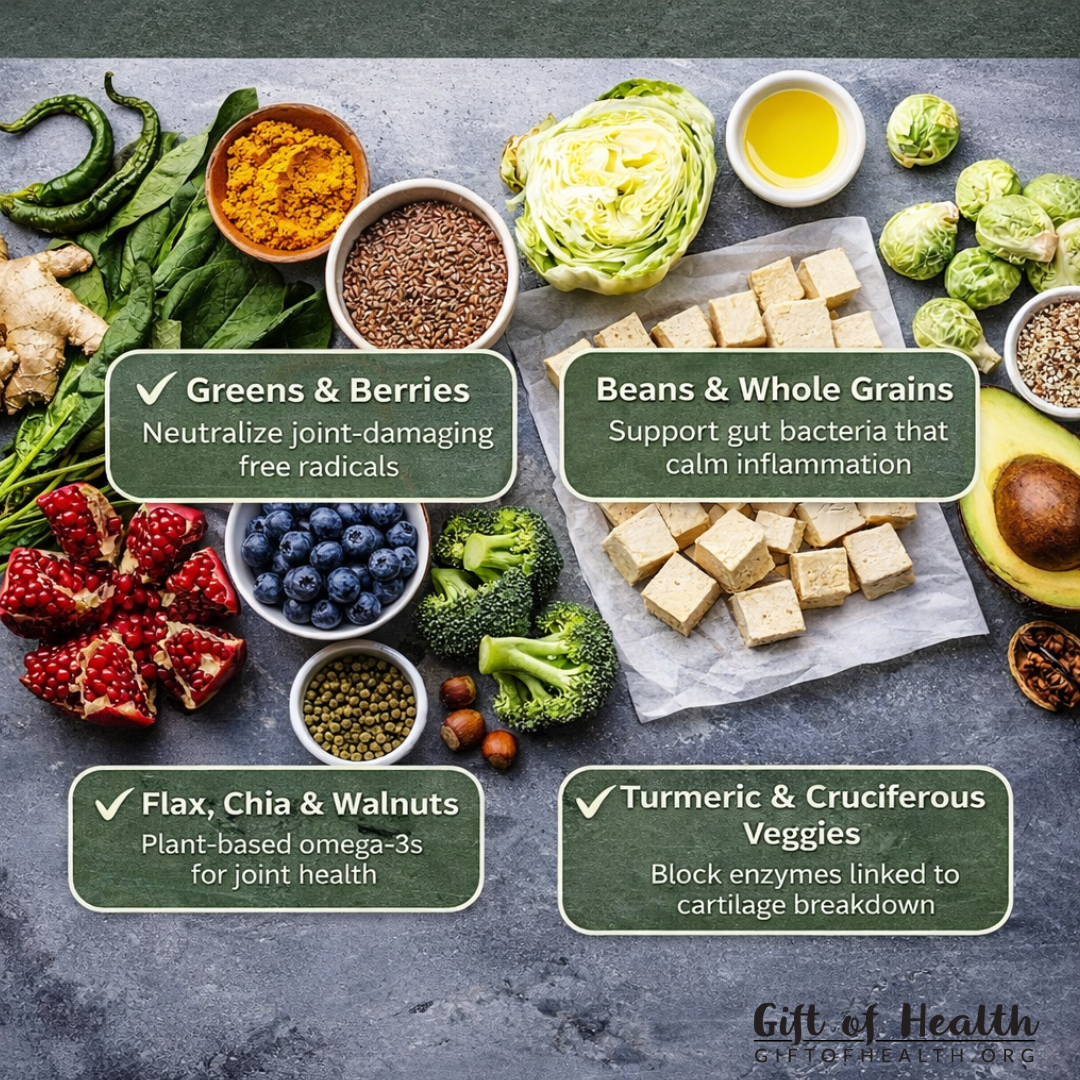
How Plant-Based Foods Heal Joints
- Turmeric: Curcumin blocks inflammation as effectively as some arthritis drugs
- Leafy Greens & Berries: Neutralize joint-damaging free radicals
- Legumes & Whole Grains: Support gut bacteria that produce anti-inflammatory compounds
- Flaxseeds, Chia, Walnuts: Provide plant-based omega-3s
- Cruciferous Vegetables: Block enzymes linked to cartilage destruction
- Tart Cherries: Reduce CRP levels and ease gout flares
Where to Get Recipes & Meal Support
- The Gift of Health – Free plant-based recipes and guidance
Conclusion: Your Food, Your Freedom from Pain
You don’t need to suffer silently or rely solely on medications.
By eating more whole, plant-based foods and reducing animal and processed foods, you can significantly ease joint pain, slow disease progression, and reclaim your quality of life—one meal at a time.
In Health,
Drs. Arjun and Shobha Rayapudi
Lifestyle Medicine Doctors



0 comment
LEAVE A REPLY HERE
Your email address will not be published.