
Nutrition FAQ’s
Frequently Asked Questions
These are some of the common questions and concerns raised by people who embark on plant based journey.
The protein requirements for healthy adult male are 50-55 grams per day and adult female are 45-50 grams per day. You can easily meet the protein needs of your body by eating Whole Foods Plant based diet. Almost all whole plant foods contain protein in them. The protein in plant foods is bundled up with fiber and many nutrients like antioxidants, vitamins, minerals and phytochemicals that boost our immune system. When you eat a variety of plant-based foods like oats, brown rice, vegetables, corn, potatoes, beans, and lentils your body will get all the protein it needs for optimal health.
Have you seen anyone low in protein? Protein deficiency is extremely rare in the Western world. Instead, the problem that is widely prevalent is consuming too much protein (2-3 times more than what is required), especially too much animal protein consumption. Intake of animal protein has been associated with various health problems like obesity, high cholesterol, heart disease, breast cancer, colon cancer, prostate cancer, autoimmune diseases, gout, kidney stones.
The fastest period of growth in humans is the first year of life. An infant usually double weight within first 3-5 months. The best for food babies during the rapid period of their growth is mother's breast milk. The percentage of calories that come from protein in mother's milk are 5-6%. Consider the following examples (put a visual guide) (source USDA nutrient database):
Potato (1 medium size) - 4.3 gms of protein - 10% of calories from protein
Brown rice (1 cup cooked) - 5 gms- 10% of calories from protein
Oats (1 cup cooked)- 6 gms - 16% of calories from protein
Black Beans (1cup, cooked)- 15 gms - 26% of calories come from protein
Broccoli (1 stalk - 8gms of protein)- 45% protein calories come from protein
Spinach - 49% protein (6 gms/per cup cooked)
Almonds (1 ounce - 28ms) - 6 gms (16% of calories from protein)
Banana (1) - 1.5 gm (1.5% of calories from protein)
If you are not convinced, just think of the biggest land animals (elephants, giraffes, horses - where do they get their protein from .. just from eating plants. You do not need to consume any muscle from animals (chicken, fish, turkey, pork, moose, etc.) or dairy products to get your protein. Just eat the Whole plant foods and let the body take care of itself.
The purpose of cow's milk is to promote the growth of baby calves. The baby cow grows from 40-50 lbs at birth to 800 to 1000 lbs in one year by drinking cow's milk. Cow's milk is baby calf's growth liquid. Cow's milk has high levels of saturated fat, cholesterol, hormones, antibiotics and environmental toxins like pesticides that we do not need. Intake of dairy products has been linked to higher risk of developing her heart disease, prostate cancer, ovarian cancer and early death. Milk products are also the commonest cause of allergies.
The best sources of calcium are whole plant foods like green leafy vegetables, beans, and grains. Vegetables like Broccoli, Kale, Brussels sprouts are very rich in calcium. Other added benefit from these vegetables is that they are also in vitamin K, a nutrient that is essential for healthy bones. Beans and lentils are also an excellent source of calcium. They are also rich in phytates that many improve mineral absorption. Plant based milks like soy milk, almond milk, oat milk are fortified with calcium. There is absolutely no need to eat or drink dairy products to meet your calcium requirements. When you eat a variety of whole plant foods you body will get all the calcium you need.

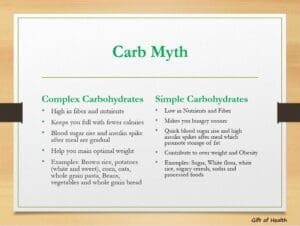
Complex carbohydrates don't make you fat, and you don't need to avoid them. On the other hand, simple carbs intake should be limited. See the picture below to learn about the differences between simple carbs and complex carbs.
Oils are highly processed foods that are stripped of almost all the nutrients. They are concentrated sources of calories. Oils are devoid of fiber and many of the essential nutrients. Almost all oils damage endothelium, the inner lining of blood vessels. Also, oils promote inflammation.
The health benefits of Mediterranean-style diet is mostly due to whole grains, fruits, vegetables, legumes, walnuts and decreased consumption of meats. It is not just from olive oil.

Watch these short videos from Dr. Esselstyn and Dr. Klaper to learn more about the health concerns associated with consumption of oils